








A Turning Point in Assam’s Story
Some changes arrive loudly. Others unfold so steadily that, one day, you realise the ground has shifted beneath your feet.
Today, 1 February, marks the birthday of Himanta Biswa Sarma (born 1 February 1969), and it offers a moment to reflect on a phase that has quietly but decisively reshaped Assam’s direction.
Over the past decade, the state’s trajectory has been steadily realigned—finding sharper definition after 10 May 2021, when he assumed office as Chief Minister. What followed was more than a change in leadership. It was a change in rhythm: faster decisions, wider administrative reach, and a governance style marked by urgency, clarity, and confidence.
The foundations of this shift were laid earlier, in 2016, when Assam entered a phase that placed delivery at the centre of governance. Execution began to matter as much as intent. Reviews became routine, timelines non-negotiable, and administration was expected to step beyond paperwork and be visible on the ground.
Healthcare soon emerged as one of the clearest markers of this transition. From 2017 onwards, Assam undertook a significant expansion of public health infrastructure. New medical colleges, strengthened district hospitals, and broader health assurance coverage changed access to care across regions. For many families, healthcare slowly became more predictable—easing both financial strain and uncertainty.
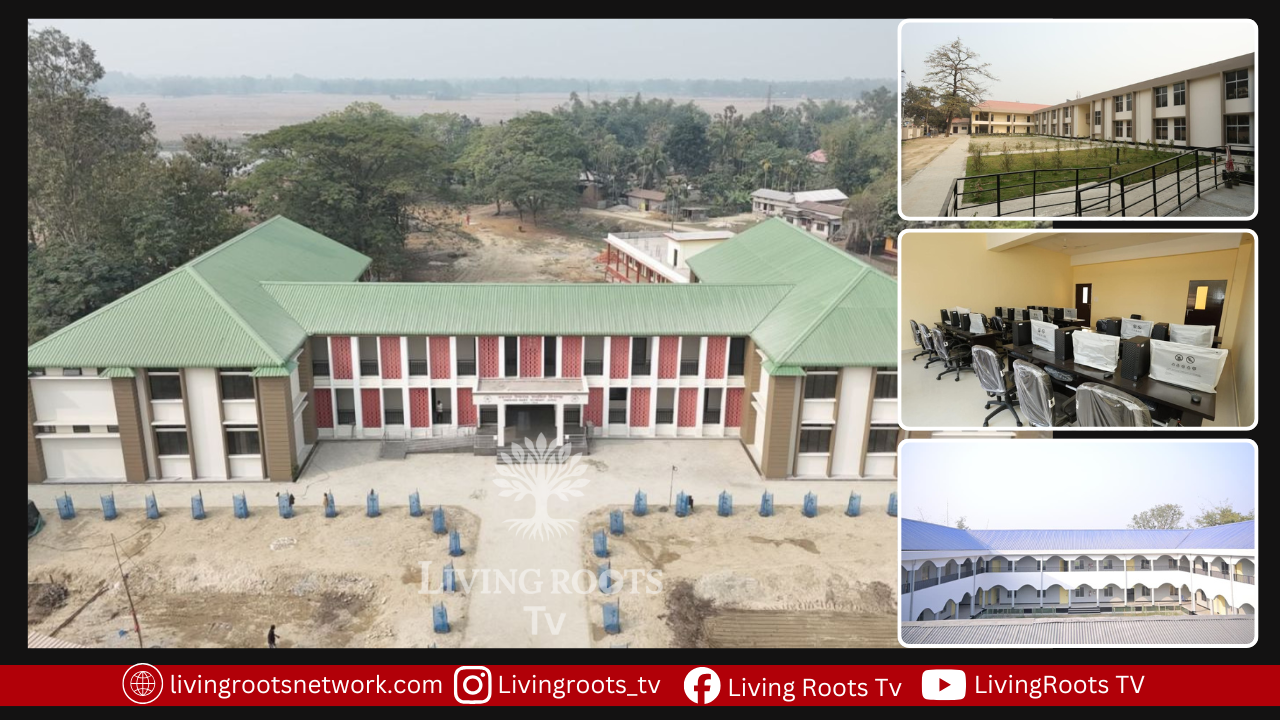
Education and youth development followed in parallel. Between 2018 and 2023, focused investments strengthened higher education institutions, skill development initiatives, and structured support for competitive examinations. The message was simple yet powerful: opportunity should exist within the state, not only beyond its borders.
After 2021, infrastructure development became impossible to miss. Roads and bridges improved connectivity across districts, urban centres saw renewal, and transport networks opened access to markets and services. These investments did more than connect places—they connected people to livelihoods, mobility, and economic confidence.
Alongside physical development, a quieter shift took place in governance culture. Decision-making became more time-bound, welfare delivery more streamlined, and law-and-order measures focused on reinforcing public trust. Governance increasingly emphasised responsiveness and follow-through.
By 2022, 2023, and 2024, the language around Assam had changed. The state was discussed less for its constraints and more for its capacity. Challenges remained, but conversations increasingly centred on institution-building and long-term progress.
On his birthday today, this period stands out as a defining chapter in Assam’s recent story—one shaped by administrative momentum, system-level reform, and a renewed belief that the state could move forward with purpose and self-assurance.